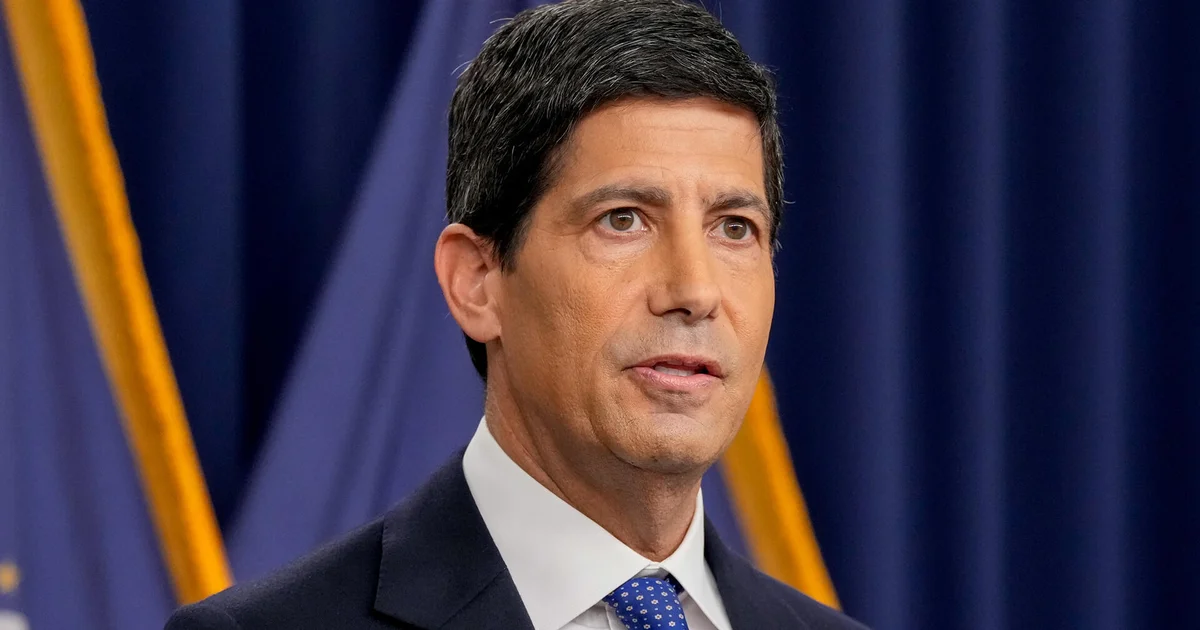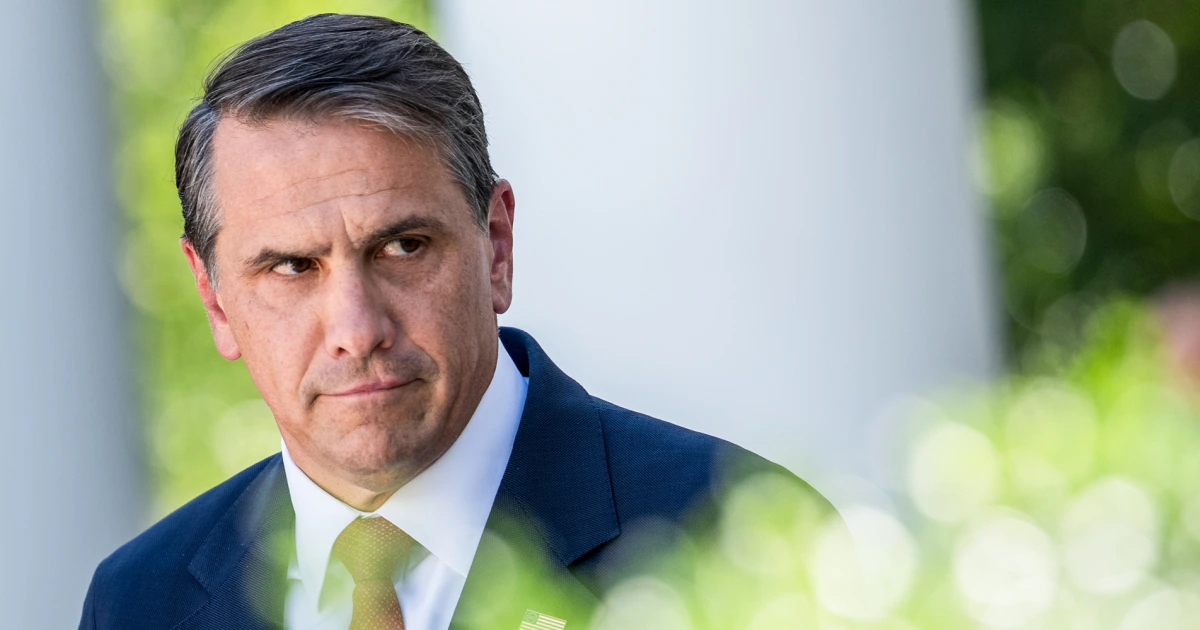
The sighting of Attorney General Todd Blanche among the crowds at the Iowa State Fair last month may have seemed like a routine campaign stop to some, but for those within the halls of justice, it represented something far more disruptive. Justice Department veterans are calling his increasing presence at partisan political gatherings a seismic shift in how the agency operates, warning that such visibility shatters long standing norms designed to keep federal law enforcement insulated from political influence.
For decades, the unspoken rule governing the relationship between the White House and the Department of Justice was one of strict separation. The goal was to ensure that legal decisions were made based on evidence and statute rather than electoral strategy or presidential preference. However, Blanche’s willingness to step onto political stages suggests a new era where the line between chief prosecutor and party loyalist has become dangerously blurred.
Critics argue that these public displays do more than just break tradition; they actively erode public trust in the impartiality of the law. When the nation’s top lawyer appears as a fixture at political rallies, it fuels a perception that the department has become an extension of the administration’s political arm. This perceived lack of independence creates a precarious environment where every indictment or investigation is viewed through a lens of partisanship.
As Blanche continues to integrate himself into thepolitical machinery, insiders fear that once these boundaries are dismantled, they cannot easily be rebuilt. The concern is that future administrations will feel emboldened to further politicize the office, transforming a neutral arbiter of justice into a strategic tool for whoever holds power in the Oval Office.