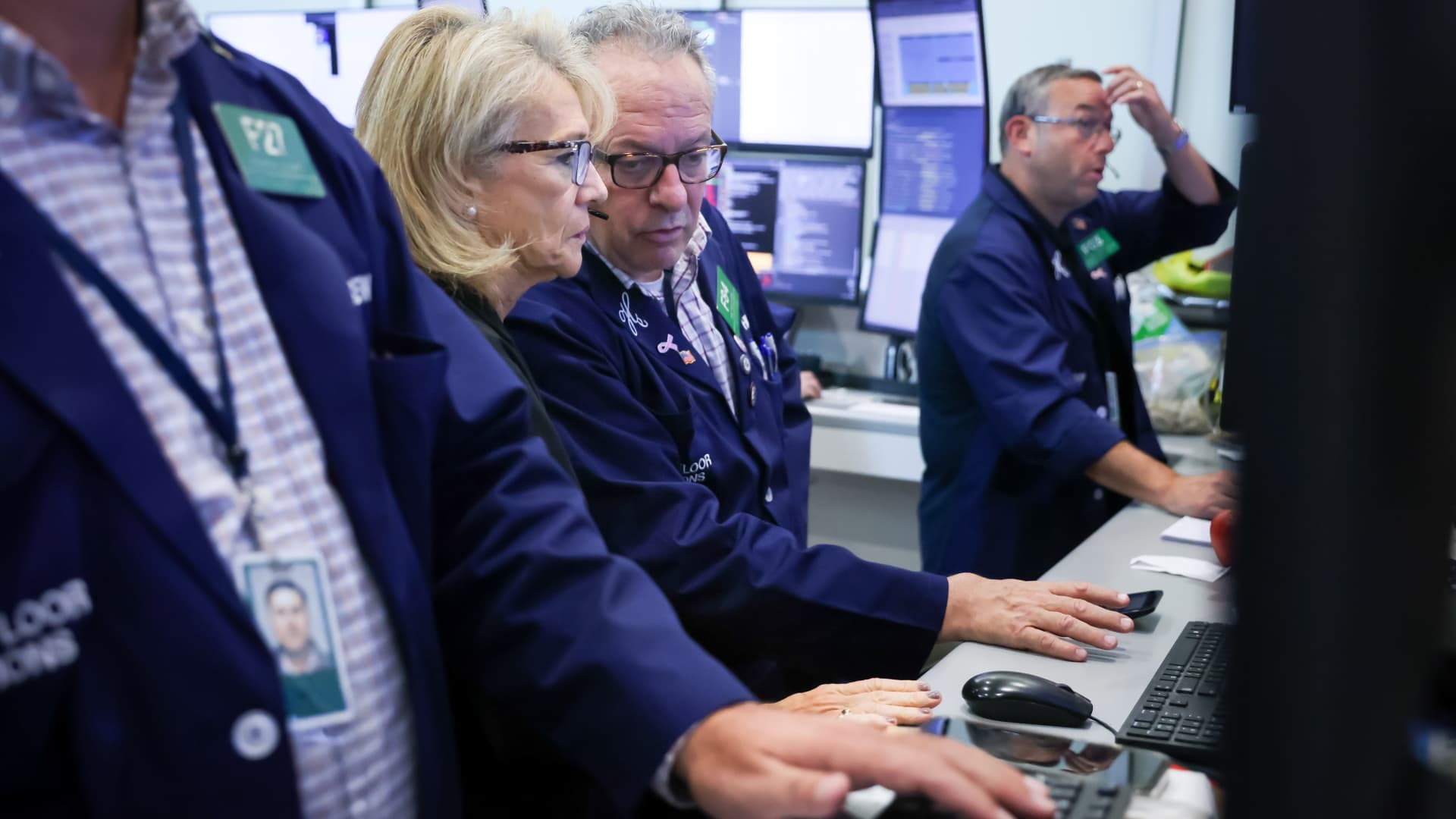
For much of this year, the stock market has remained remarkably resilient, largely ignoring geopolitical tensions in Iran, spikes in inflation, and the introduction of new tariffs. This stability has been fueled primarily by an explosion of optimism surrounding artificial intelligence, which has become the central engine for U.S. economic expansion. Massive investments in data centers and high end semiconductors have pushed major indexes higher, with the Nasdaq surging thirteen percent and giants like Nvidia seeing significant gains. The ripple effect has extended well beyond software developers to include construction firms and equipment manufacturers, creating a broad financial tide that has lifted many boats across the industrial landscape.
However, this momentum is facing a new wave of scrutiny as some of the industry’s own architects begin sounding alarms. High profile figures including OpenAI chief Sam Altman and Anthropic CEO Dario Amodei have warned of serious risks associated with the technology, while Elon Musk has previously compared the dangers of AI to those of nuclear weapons. These admissions have emboldened critics on Capitol Hill to propose strict guardrails, ranging from federal vetting standards to a literal kill switch for rogue systems. While President Donald Trump has dismissed these concerns as a hoax, the mere prospect of heavy regulation creates uncertainty for investors who have bet heavily on unchecked growth.
Adding to the tension is a sobering reality regarding how companies are actually utilizing these tools. Despite the hype and hundreds of billions in spending, an MIT study suggests that a vast majority of businesses investing in AI have yet to turn a profit from it. When combined with rising interest rates that increase the cost of corporate borrowing, some analysts worry that the current bubble could lose its luster if tangible returns do not materialize soon. There is a growing fear that high capital costs and government intervention could eventually cool off several overheated sectors.
Despite these red flags, many market experts believe the overall trajectory remains positive. Analysts suggest that we are currently in a period of testing where innovation must find a balance with safety and oversight. While regulators seek answers to difficult ethical questions, proponents argue that AI’s role as a primary driver of GDP growth makes it too vital to fail. For now, investors seem willing to overlook the cautionary tales provided by CEOs and politicians, betting that the technological revolution will outpace any legislative hurdles placed in its way.