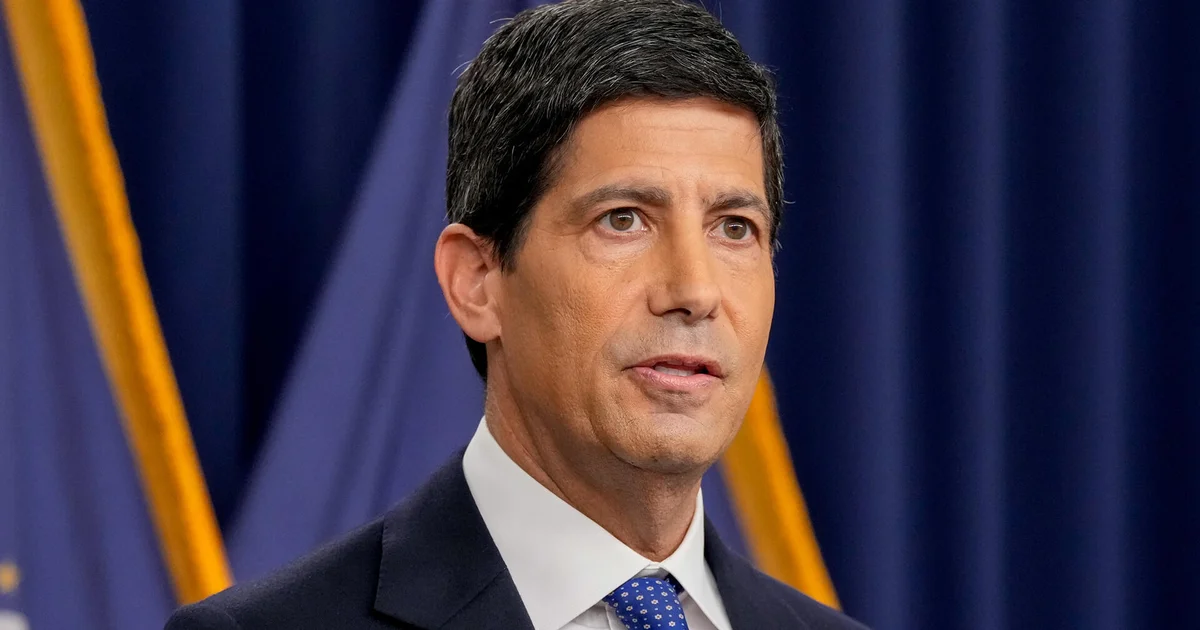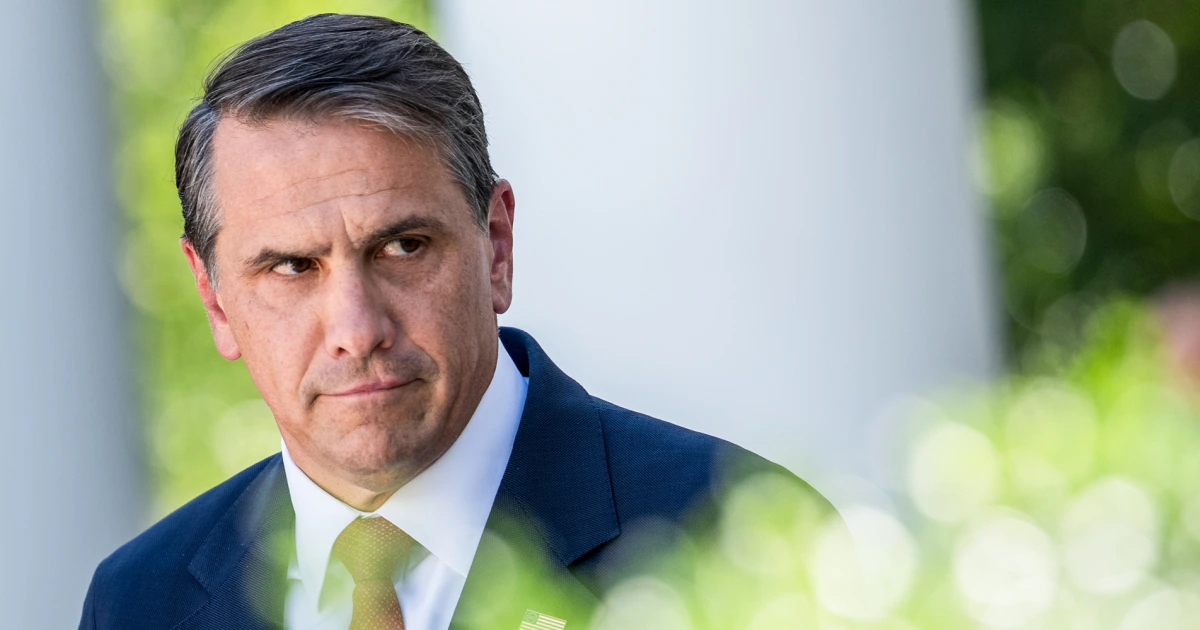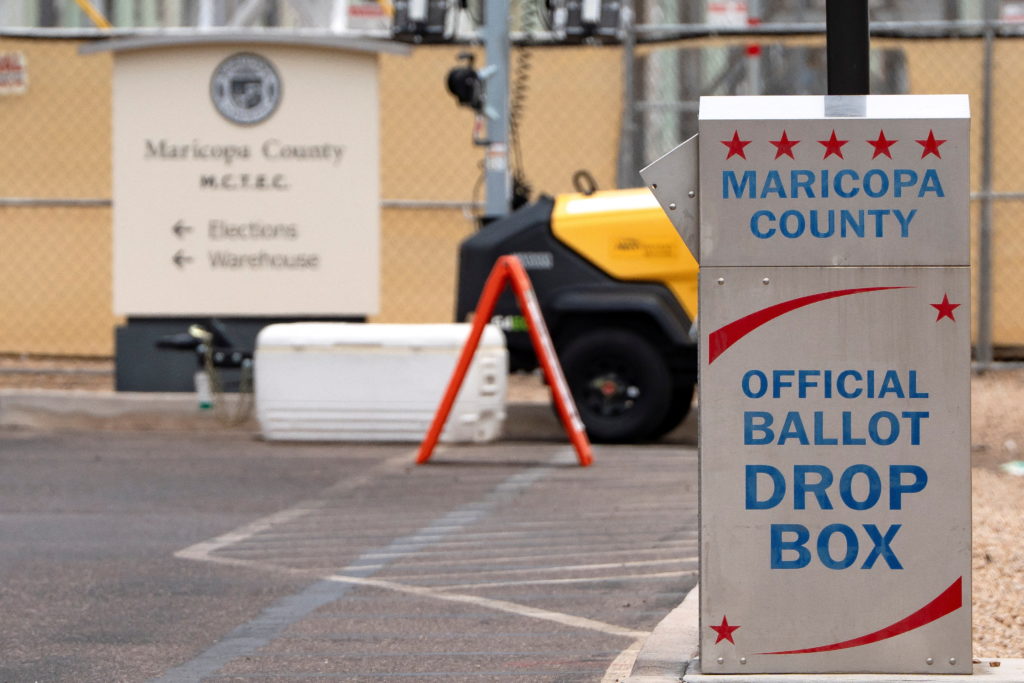
The United States Postal Service has halted development on a controversial computer system designed to limit mail voting, following a Supreme Court decision that blocked a presidential executive order. Postmaster General David Steiner confirmed the move in an interview with the Associated Press, noting that the agency is adhering to a legal injunction. The proposed system would have acted as a gatekeeper for mail ballots, utilizing state citizenship lists to determine eligibility via an online portal before ballots could be mailed.
Throughout the process, Steiner maintained a neutral stance, describing himself as the leader of an independent agency tasked primarily with execution rather than policy creation. While former President Trump pushed aggressively to reshape how citizens vote by mail, Steiner framed his role as one of operational management. This distance became particularly evident after the court’s ruling, as Steiner avoided echoing the president’s criticisms of the judiciary and instead focused on returning the agency to its standard operating procedures.
The ambitious project was not without its critics. A whistleblower report highlighted by Senator Richard Blumenthal suggested that the platform was rushed and prone to errors given its scale and timeline. Despite these warnings, Steiner defended his IT staff for their speed in attempting to build the system by mid September. Now that the project is dead for the upcoming cycle, internal memos indicate that postal workers should treat election mail as business as usual, ensuring existing protocols are followed without interference from the discarded rules.
Beyond the legal battles over voter eligibility, Steiner is currently grappling with a liquidity crisis within the postal service and urging Congress for financial reforms. With ongoing concerns regarding postmark delays in states like Washington and Oregon leading to rejected ballots, Steiner is pivoting away from political disputes toward practical advice for voters. To avoid potential delivery issues and ensure every voice is heard, he strongly recommends that anyone planning to vote by mail send their ballot at least seven days before the deadline.